


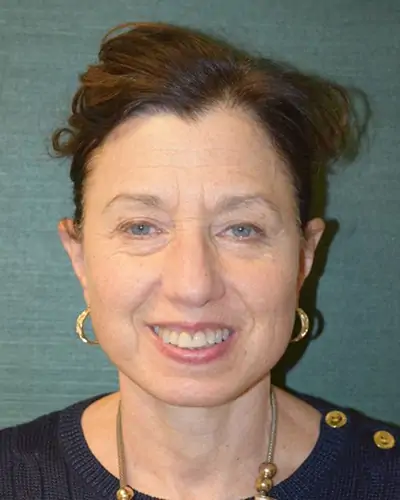
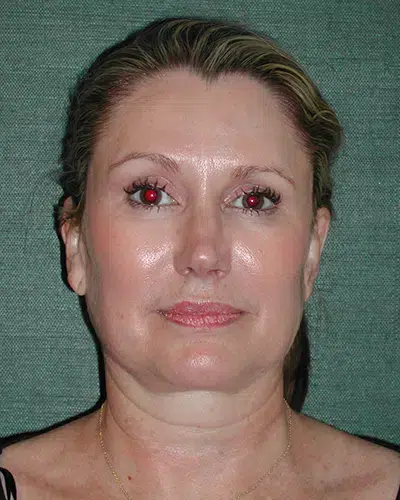
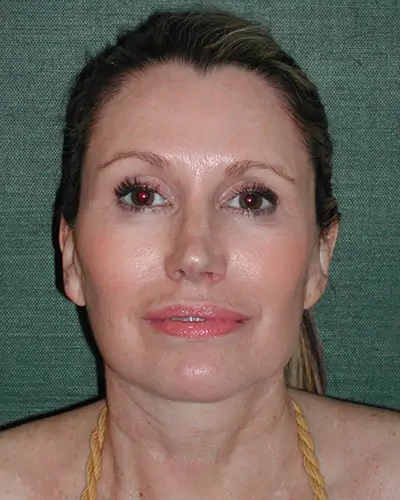
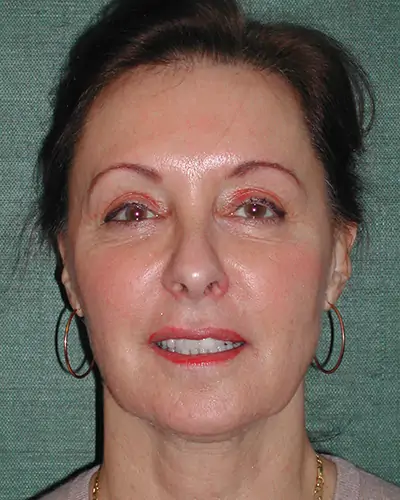
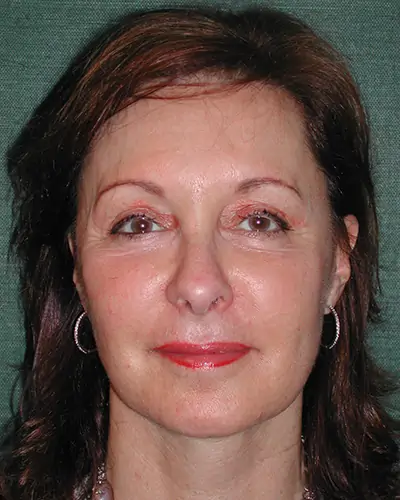
Mini facelifts are popular because they can rejuvenate the lower face but are less invasive than a traditional facelift, which means they can be performed under local anesthesia, and feature a shorter recovery time. Patients with moderate signs of aging and concerned with sagging skin and wrinkles can enjoy long-lasting rejuvenation and often opt for a mini facelift as a preventative measure.
If you’re troubled by sagging skin on your lower face, there’s no reason to wait. Schedule a consultation with Dr. Wallach to explore your options, and find out what rhytidectomy is right for you. You can reach our Manhattan offices by calling (212) 861-6400 or filling out a simple online form at your convenience.
Contents
show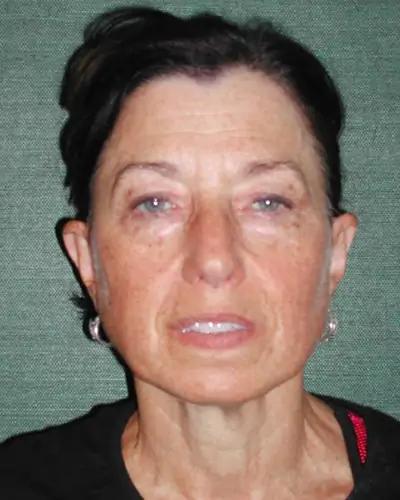


About
Unfortunately, several of the key characteristics of a youthful appearance are the first to decline as the aging process commences. Full cheeks, a firm jawline, and smooth, unlined skin are some of the most vulnerable of our features. As time passes, the ideal heart shape of a youthful face begins to lose definition, and it’s not just gravity that’s to blame. Skin suffers from decreased levels of collagen and elastin, becoming thinner and less resilient. But facial aging is more than skin-deep. The individual compartments of fat that give our face youthful volume begin to atrophy.(1) On an even deeper level, our craniofacial bone structures begin to shift, only exacerbating the loss of jawline definition, chin, and cheek volume. (2) We can’t stop the passage of time, but we can turn back the clock! Today’s facelift techniques are the result of continuously advancing developments in the understanding of the many layers of facial tissues, and how they change over time. Surgeons are now able to achieve more significant improvements with less invasive procedures and more natural-looking results.
About the Mini Facelift
During a traditional facelift, incisions encircle the ears, and extend into the hairline towards the temples, and the nape of the neck. This allows the surgeon access to the underlying tissues of the mid and lower face, and the ability to tighten the skin of the upper neck. But for patients without neck laxity, and who are chiefly concerned with signs of aging in the lower face, incisions can be limited to the base of the earlobe and sideburn area. As a result, mini facelifts are also called limited incision rhytidectomies, or short scar facelifts. These shorter incisions allow Dr. Wallach to target only the areas of concern, namely the cheeks and jowls. Any scarring is hidden in the natural curves of the ears.
Benefits of Today’s Facelifts
Facelifts have come a long way over the past few decades. One of the chief advantages that surgeons have today is an understanding of the SMAS, the superficial aponeurotic system. This layer of tissue separates the deepest layers of the dermis from the underlying facial muscles. Early versions of rhytidectomies involved only the removal of excess skin, and created a “pulled” or windswept look. Today’s plastic surgeons are able to use a variety of techniques to lift and reposition the SMAS, and then neatly redrape the facial skin, eliminating the appearance of overly tight or unnatural results. (3) Higher quality results have led to higher demand. According to The American Society of Plastic Surgeons, there was a 75% increase in facelifts being performed from 2000 to 2020! There are a variety of approaches to facelifts commonly used in surgery today. And, there are a variety of techniques that Dr. Wallach can utilize when performing a limited incision facelift that can manipulate this crucial layer of tissue to give you custom-tailored results that flatter your natural facial anatomy.
Candidates
Although mini facelifts are an effective way to address common signs of aging and use shorter incisions, they aren’t suitable for all patients. However, if you’re interested in rejuvenating your lower face, it may be just the thing.
IDEAL CANDIDATES FOR A SHORT SCAR FACELIFT:
- Have minimal signs of aging in the neck
- Have good skin elasticity
- Are in good health and nonsmokers, or willing to quit in the weeks before and after their surgery
- Want to correct jowls and sagging cheeks
- Improve nasolabial lines and jawline definition
- Restore youthful heart-shaped appearance to facial contours
- May not be eligible for more extended facial procedures
- Are interested in a short recovery
The best way to determine whether you are a good candidate for this procedure is to schedule an informative consultation appointment with Dr. Wallach in New York City. Call (212) 861-6400 to get started.


Personal Consultation
To say that Dr. Wallach is a leading authority on plastic surgery may be a bit of an understatement. He has had a staggering number of papers published in top medical journals, regularly appears at surgical conferences, is an associate professor of plastic and reconstructive surgery, and is frequently interviewed in the nation’s top beauty magazines. That’s a lot of people that depend on Dr. Wallach’s expertise, and you can too. He still spends the time with each patient to get to know them and better understand their aesthetic goals. Once he’s done that, he’ll perform a thorough examination and review your medical history to recommend the safest and most effective solution. Your personal consultation appointment at his Upper East Side offices is an opportunity to do just that.
Once you’ve both agreed that a mini facelift is the most suitable procedure for you, Dr. Wallach will devise a personalized treatment plan and explain which surgical approaches will achieve the best results possible.
Preparation
Mini facelifts can be performed under local anesthesia with sedation, but you’ll have the opportunity to discuss your concerns and other options with Dr. Wallach. Once your complete surgical plan has been established and your procedure scheduled, you’ll receive extensive counseling and detailed instructions on how to prepare in the time leading up to your surgery.
Procedure
Every patient has a unique facial structure. As a result, we all age differently, and facial plastic surgery procedures require a completely individualized approach.
What mini facelift procedures do have in common however, is the signature short scar, or limited incision approach.
After you’ve been made comfortable and the anesthesia has taken effect, Dr. Wallach will create an incision that travels from just under the earlobe, and upwards along the inner edge of the tragus in what is called a retrotragal incision. It ends along the hairline of the sideburn in order to avoid hair loss and visible scarring. This short incision is what allows Dr. Wallach to separate the overlying skin of each lower side of the face from the tissues beneath. Once he has access to the SMAS, he’ll be able to use the appropriate method to tighten and lift this crucial layer of tissue. This may include making strategic incisions and then reattaching the deep layers of tissue and fat in order to reposition and create the necessary tension as in a SMASectomy. Or, as in the case of a MACS lift (minimal access cranial suspension facelift), a network of looped sutures create a “purse string” effect to tighten and lift the underlying layers of tissue. (4)
Once the desired effect is achieved, Dr. Wallach will carefully redrape the skin, taking care that it smoothly fits the new contours of the lower face. Any excess skin is removed from along the edge of the skin, and the incisions are neatly sutured closed. The patient is then moved to a recovery room and monitored until they are ready to be released to return home and begin their recovery process.
Recovery
Since a mini facelift is less invasive than a full facelift, patients are usually able to return to their routines much more quickly. Patients return home with a light dressing, which will be removed at their first followup appointment, often the next day. Patients are given comprehensive instructions on how to manage their post operative symptoms so that they can have a speedy recovery and enjoy their results as soon as possible. Sutures will be removed a week or so at a follow-up appointment. Many patients can go back to work within a week but may still have some mild residual bruising and swelling. The facial bruising usually goes away within a week, and swelling will gradually dissipate over the next few weeks. Patients can resume light aerobic activity within three weeks and then return to more strenuous activity, like workouts, within a month or two.
Results and Corresponding Procedures
A mini facelift is an excellent way to restore youthful volume to the cheeks, eliminate sagging in the lower face, and achieve a more defined jawline. However, patients that are concerned with other signs of aging may find the best results from one of the many other surgical or nonsurgical rejuvenating procedures that Dr. Wallach offers.
LASER TREATMENTS
Patients that are concerned about skin laxity, and wrinkles in areas that aren’t addressed by a mini facelift may be able to resolve these concerns with a non-invasive laser treatment. Targeted applications of laser energy can remove the outer, aged layers of blemished skin, allowing new healthy skin to take its place. The thermal effect also initiates collagen restructuring and production for firmer, tighter skin.
Fillers and Injectables
For those who are unsure about committing to surgery, or have minor signs of aging, fillers and injectables can be an excellent solution. In one quick session, patients can improve wrinkles and add volume to their facial features with little discomfort and no downtime.
Find The Best Treatment For You
Explore Our Procedures









How Much Does a Mini Facelift Cost in NYC?
Because every facial procedure is tailored to the unique anatomy and desires of a patient, the price of a mini facelift will vary from patient to patient. Prospective patients will be given an accurate estimate of the costs involved following their personal consultation. Eligible patients may opt to take advantage of the several financing options that Dr. Wallach offers.
References
- Barrett, D. M., Casanueva, F. J., & Wang, T. D. (2016). Evolution of the rhytidectomy. World Journal of Otorhinolaryngology – Head and Neck Surgery, 2(1), 38–44. https://doi.org/10.1016/j.wjorl.2015.12.001
- Swift, A., Liew, S., Weinkle, S., Garcia, J. K., & Silberberg, M. B. (2020). The Facial Aging Process From the “Inside Out.” Aesthetic Surgery Journal, 41(10). https://doi.org/10.1093/asj/sjaa339
- Barrett, D. M., Casanueva, F. J., & Wang, T. D. (2016). Evolution of the rhytidectomy. World Journal of Otorhinolaryngology – Head and Neck Surgery, 2(1), 38–44. https://doi.org/10.1016/j.wjorl.2015.12.001
- Tonnard, P., & Verpaele, A. (2007). The MACS-lift Short Scar Rhytidectomy. Aesthetic Surgery Journal, 2007(27), 188–198. https://doi.org/doi:10.1016/j.asj.2007.01.008
FAQs
Is a thread lift the same thing as a mini facelift?
What is the difference between a mini facelift and a MACS lift?
What is the recovery process like with a mini facelift?
When can I exercise after a mini facelift?
When will I see the results of a mini facelift?
How long does a mini facelift take?
How long do the results of a mini facelift last?
Are there any risks that come with a mini facelift?
Can a mini facelift be combined with other cosmetic procedures?
How long does a mini facelift last compared to a traditional facelift?
Am I a good candidate for a mini facelift?
What is the recovery time for a mini facelift?
How much does a mini facelift typically cost?
What are the risks and potential complications of a mini facelift?
Can a mini facelift be combined with other procedures?
What is the difference between a mini facelift and a full facelift?

Dr. Steven Wallach is a board-certified plastic surgeon in New York City specializing in aesthetic facial and body contouring, as well as reconstructive surgery. With more than 25 years in practice and over 15,000 surgeries performed, he brings extensive experience and refined surgical skill to every procedure. He earned his medical degree from NYU School of Medicine and completed advanced training at Albert Einstein College of Medicine/Montefiore Medical Center, followed by a prestigious fellowship in California. A past president of the New York Regional Society of Plastic Surgeons and former executive board member of The Aesthetic Society, Dr. Wallach is frequently recognized for his expertise, including in New York Magazine’s “Best Beauty Docs.” In addition to his clinical practice, he is an Associate Clinical Professor at Albert Einstein and regularly contributes to medical publications and national media. Known for his innovative techniques and compassionate care, he helps patients achieve natural, confidence-boosting results.
 reviews
  call
call  gallery
  Contact
