


*Model
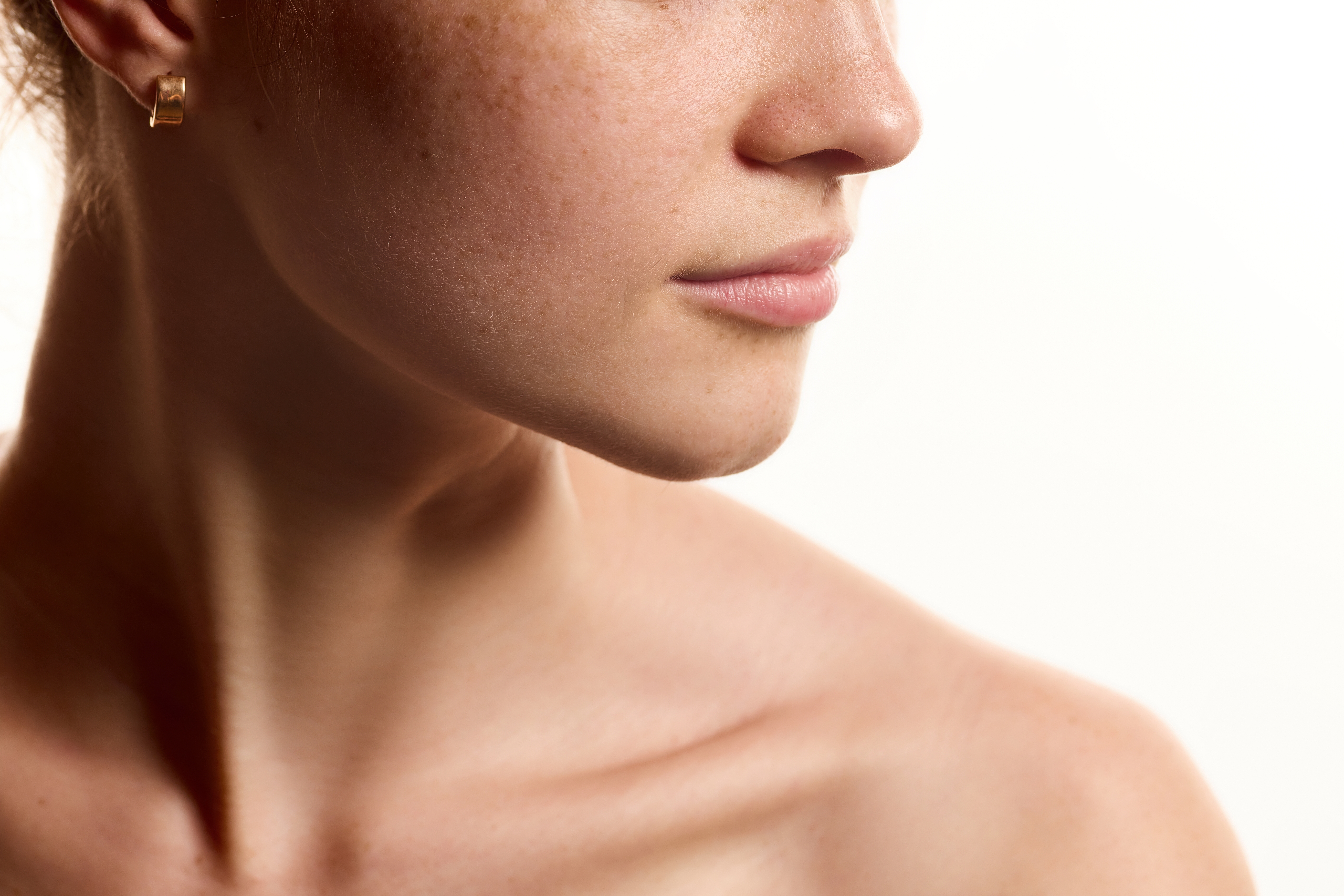
*Model
by Dr. Steven Wallach
Rhinoplasty is one of the most technically demanding procedures in plastic surgery, and candidacy is shaped by a combination of physical factors, health history, and personal goals that deserve careful, honest evaluation. This page is designed to give you the real information you need, whether you’re early in your research or close to scheduling a consultation. If you’d like to speak with someone directly, please call for details.
Understanding candidacy before your first appointment helps you arrive prepared, ask better questions, and ultimately make a more confident decision.
Physical Factors That May Make You a Good Candidate for Rhinoplasty
Rhinoplasty candidacy begins with anatomy. During a consultation, a board-certified plastic surgeon will assess the underlying structure of your nose, including bone, cartilage, and soft tissue, to determine what is achievable for your specific anatomy.
Facial Development and Age
Most surgeons recommend waiting until facial growth is complete before proceeding with rhinoplasty. For most patients, this means being at least 15 to 16 years old for female patients and 17 to 18 years old for male patients. Younger patients may be considered in cases where a structural issue is affecting breathing function. Adults of any age may be candidates, provided their overall health supports surgery.
Skin Thickness and Cartilage Structure
Skin thickness plays a meaningful role in what rhinoplasty can achieve. Patients with thinner skin often see a more precise definition following surgery. Patients with thicker skin may find that tip refinement is more limited because the skin itself does not always contract around the new underlying structure with the same degree of detail. A surgeon with extensive rhinoplasty experience, like Dr. Steven Wallach, who has performed more than 15,000 surgeries over 25 years in New York City, can assess your individual anatomy and give you a realistic picture of what your results may look like. This kind of honest evaluation is essential to avoiding disappointment.
Breathing Function
Many rhinoplasty candidates also have functional concerns, such as a deviated septum or turbinate hypertrophy, that affect airflow. Addressing both cosmetic and functional goals in a single procedure may be appropriate for some patients. If breathing difficulty is your primary concern, functional septoplasty may be covered by insurance, though the cosmetic component typically is not. Consulting with a surgeon who understands both aspects of nasal anatomy helps ensure that neither goal is compromised for the other.
Health and Lifestyle Considerations Every Rhinoplasty Candidate Should Know
Physical anatomy is only one part of the candidacy picture. Your overall health, habits, and realistic understanding of the recovery process are equally important factors that any qualified surgeon will discuss with you before recommending surgery.
General Health Requirements
Good candidates for rhinoplasty are generally in stable overall health, non-smokers or willing to stop smoking well in advance of surgery, and free from conditions that would complicate healing or anesthesia. Smoking significantly impairs blood flow and tissue healing and increases the risk of complications. Patients managing certain chronic conditions may still be candidates, but require careful evaluation on a case-by-case basis.
Realistic Expectations and Psychological Readiness
Surgeons with significant experience consistently identify realistic expectations as one of the most important elements of candidacy. Rhinoplasty can meaningfully improve proportion, symmetry, and balance between facial features, but it does not produce a completely different face or match a specific photograph of another person. Patients who understand this tend to have more satisfying outcomes. In consultations, Dr. Wallach takes time to understand each patient’s individual goals and explains precisely what is and is not achievable given their anatomy. Individual results may vary.
Recovery Commitment
Rhinoplasty recovery requires patience. Most patients experience visible swelling and bruising for two to three weeks. Tip swelling, however, can persist for twelve months or longer before final results are fully apparent. Candidates should be prepared to follow post-operative instructions carefully, avoid strenuous activity during early recovery, and allow adequate time before evaluating their outcome. Patients who approach recovery with realistic expectations and patience consistently report greater satisfaction.
When Rhinoplasty May Not Be the Right Step, and What Alternatives May Help
Not every patient considering rhinoplasty will be advised to proceed with surgery, at least not immediately. There are non-surgical alternatives that may address certain concerns without the commitment of an operating room.
Non-Surgical Rhinoplasty
For patients with specific contour concerns, such as a small dorsal hump or minor asymmetry, injectable fillers and injectables may offer a temporary, lower-commitment option. This approach uses dermal fillers to add volume or camouflage irregularities and can produce meaningful aesthetic improvement for appropriate candidates. It is not a substitute for surgical rhinoplasty, and it cannot reduce the overall size of the nose or correct functional issues, but it may help some patients evaluate whether a change in nasal shape aligns with their broader facial goals.
Addressing Surrounding Facial Concerns
Sometimes what a patient perceives as a nasal concern is actually related to proportion with surrounding features. Addressing chin projection, for example, can sometimes change the visual balance of the nose without touching it at all. For patients also considering facial rejuvenation, options like the DREEAM Facelift in New York City may be relevant to a broader aesthetic conversation. A thorough consultation helps identify whether rhinoplasty alone, rhinoplasty combined with other procedures, or a non-surgical approach best fits your goals.
Revision Rhinoplasty Candidacy
Patients who have had a prior rhinoplasty and are unhappy with the results constitute a specific subgroup that requires a different evaluation. Revision rhinoplasty is technically more complex and often requires cartilage grafting and additional planning. If you’ve had a previous procedure elsewhere, Dr. Wallach’s depth of surgical experience, including his work with complex nasal anatomy across more than 15,000 cases, makes him a well-qualified resource for that conversation.
Why Choose Dr. Steven Wallach for Rhinoplasty in New York, NY?
Choosing the right surgeon is as important as determining candidacy. Dr. Steven Wallach is a board-certified plastic surgeon and Fellow of the American College of Surgeons with more than 25 years of experience performing rhinoplasty and a wide range of plastic surgery procedures in New York City. A graduate of NYU School of Medicine and Associate Clinical Professor at Albert Einstein College of Medicine, he brings academic rigor and hands-on depth to every consultation.
Recognized by New York Magazine as one of the city’s top beauty physicians and a past president of the New York Regional Society of Plastic Surgeons, Dr. Wallach is trusted by peers and patients across the greater New York area. His approach is direct, individualized, and grounded in honest expectation-setting: qualities that matter especially for a procedure as nuanced as rhinoplasty. If you’re researching your options and want a candid, expert evaluation, his practice is a strong starting point.
Frequently Asked Questions About Rhinoplasty Candidacy
Is there an age limit for rhinoplasty candidacy?
There is no upper age limit for rhinoplasty, provided a patient is in good general health and a qualified candidate for anesthesia. Older patients may require additional pre-operative evaluation. On the younger end, most surgeons recommend waiting until facial growth is complete, typically mid-to-late teens, before proceeding. A board-certified surgeon can assess your specific situation during a consultation.
Can rhinoplasty improve my breathing as well as my appearance?
Yes, rhinoplasty may address both cosmetic and functional concerns in a single procedure for appropriate candidates. Structural issues such as a deviated septum or enlarged turbinates can contribute to breathing difficulty and may be corrected at the same time as cosmetic changes. The functional component may be covered by insurance in some cases. Your surgeon will evaluate both goals separately during your consultation.
How do I know if my expectations are realistic?
Realistic expectations are among the most important aspects of rhinoplasty candidacy. A qualified surgeon will use imaging, detailed discussion, and an honest assessment of your anatomy to help you understand what is achievable. Patients who seek to improve their own appearance rather than match another person’s features, and who understand that final results may take a year or more to fully appear, tend to report the most satisfaction. Individual results may vary.
I had rhinoplasty before, and I’m unhappy with my results. Can I still be a candidate?
Revision rhinoplasty candidacy is evaluated differently from primary rhinoplasty. The complexity increases after a prior procedure due to scar tissue, altered anatomy, and possible cartilage changes. Many patients are still good candidates, but the timeline and technique will differ. Consulting with a surgeon who has extensive experience with complex nasal cases is particularly important in this situation.
Are there non-surgical options I should consider before rhinoplasty?
For some patients, dermal fillers may temporarily improve the appearance of minor nasal irregularities without surgery. This approach does not reduce nasal size or correct functional issues, but it may be appropriate for patients who want to explore a change before committing to surgery. Discussing both surgical and non-surgical options during a consultation helps ensure you make an informed decision.
Contact Us Today
If you are considering rhinoplasty surgery and have questions, the most direct answers come from a one-on-one consultation with a board-certified surgeon in New York, NY. Dr. Wallach’s practice is built on transparent, individualized evaluations that give patients the clarity they need to move forward with confidence. To schedule your consultation, please contact us for details.

Dr. Steven Wallach is a board-certified plastic surgeon in New York City specializing in aesthetic facial and body contouring, as well as reconstructive surgery. With more than 25 years in practice and over 15,000 surgeries performed, he brings extensive experience and refined surgical skill to every procedure. He earned his medical degree from NYU School of Medicine and completed advanced training at Albert Einstein College of Medicine/Montefiore Medical Center, followed by a prestigious fellowship in California. A past president of the New York Regional Society of Plastic Surgeons and former executive board member of The Aesthetic Society, Dr. Wallach is frequently recognized for his expertise, including in New York Magazine’s “Best Beauty Docs.” In addition to his clinical practice, he is an Associate Clinical Professor at Albert Einstein and regularly contributes to medical publications and national media. Known for his innovative techniques and compassionate care, he helps patients achieve natural, confidence-boosting results.










 reviews
  call
call  gallery
  Contact
